Why Tile Roofs Are So Common in Northridge and Sylmar — and What That Means for Maintenance
Drive through almost any neighborhood in Northridge or Sylmar and the pattern is immediately visible: terracotta and concrete tile roofs on home after home, far more consistently than in many other parts of the San Fernando Valley. This isn't an accident of individual homeowner preference repeated many times over — it reflects a specific architectural history that shaped these communities, and understanding it actually matters for how these roofs should be maintained today.
The Architectural Roots of Tile Roofing in This Area
Much of the residential development across Northridge and Sylmar drew heavily on Spanish Colonial Revival and Mediterranean architectural styles that swept through Southern California through the mid-twentieth century. These styles were defined as much by their rooflines as by their stucco walls and arched doorways — and clay or concrete tile was the traditional, expected roofing material for homes built in this aesthetic. Entire tracts were developed with this architectural language in mind, which is why the tile roofline pattern repeats so consistently street after street in these specific communities, more so than in neighborhoods built with different architectural influences.
Why Tile Stuck Around Beyond the Style Trend
Architectural fashion alone wouldn't explain why tile remained the dominant choice for decades of subsequent construction and re-roofing in this area. Tile also performs genuinely well in the local climate: it is naturally fire-resistant, which matters given the Very High Fire Hazard Severity Zones that border parts of both Northridge and Sylmar, and it holds up under the sustained summer heat that degrades other materials faster. Clay and concrete tile roofs installed decades ago are often still structurally functional today — the material itself routinely outlasts the underlayment installed beneath it, which is the real source of most repair calls on homes of this type.
What This History Means for Maintenance Today
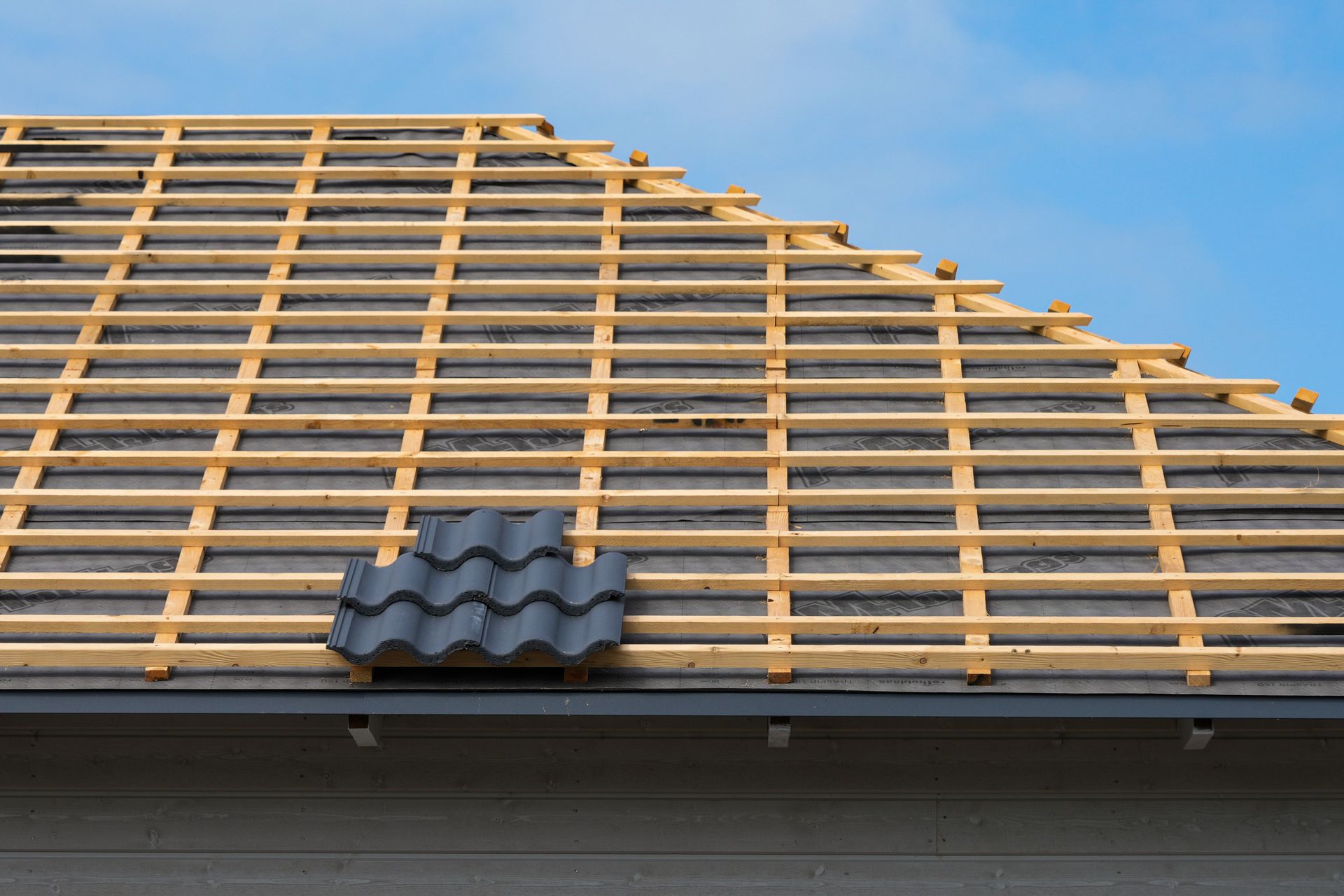
Because tile is so durable, roof problems on these homes develop differently than on shingle roofs. The tile itself rarely needs replacing on its own schedule — it's the underlayment beneath it that has a shorter practical lifespan, typically 20 to 30 years regardless of the tile's condition. A Northridge or Sylmar home with its original 1970s or 1980s tile roof may have perfectly intact tile sitting on underlayment that failed years ago, with no visible sign of the problem until water finds its way through.
This also affects how repairs are approached. Because so many homes in this area share a similar architectural tile profile, sourcing a reasonably close match for a damaged section is often more achievable here than in neighborhoods with more varied roofing material. Even so, exact matches for older or discontinued profiles are not guaranteed, which is why underlayment-only re-roofing — carefully removing, preserving, and reinstalling the existing tile — is frequently the preferred approach for homeowners who want to avoid the cost and uncertainty of full tile replacement.
A Maintenance Approach Suited to This Housing Stock
Given how common tile roofing is throughout Northridge and Sylmar, a maintenance approach built around this specific material and this specific housing age makes more sense than a generic schedule. Periodic inspections should check underlayment condition at penetrations, ridge cap integrity, and any signs of tile movement after wind events — not just whether the visible tile surface looks intact, since that alone tells you very little about the roof's actual condition.
Getting a Maintenance Plan Suited to Your Home
Everlast Roofing & Co Inc. is a roofing contractor in Los Angeles with specific, direct experience working on the tile-dominant housing stock throughout Northridge and Sylmar. We assess tile condition and underlayment age separately, and give you an honest picture of which one actually needs attention. Call (818) 832-8813 Monday through Friday, 9:30 a.m. to 5:00 p.m. to schedule your free inspection.
Frequently Asked Questions
Why are so many homes in Northridge and Sylmar built with tile roofs?
Much of the residential development in these areas drew on Spanish and Mediterranean architectural styles that became popular across Southern California through the mid-twentieth century, and clay and concrete tile were the traditional roofing materials for that architecture. Tile also performs well in the region's climate, naturally resisting fire and holding up under sustained heat, which reinforced its popularity well beyond the original architectural trend.
Is it hard to find matching tile for an older Northridge or Sylmar home?
It can be, particularly for homes with tile profiles that are decades old and no longer in production. Some manufacturers maintain legacy profiles or offer close equivalents, but exact matches are not always available. This is one reason underlayment-only re-roofing, which reuses the existing tile, is often the preferred approach for partial repairs on older homes in this area.
Do all tile roofs in Northridge and Sylmar need the same type of maintenance?
No. Maintenance needs vary by the age of the underlayment, the specific tile material (clay versus concrete), and the roof's exposure to sun and wind. A roof installed in the 1970s has different needs than one installed in the late 1990s, even if both use visually similar tile. A professional inspection is the most reliable way to determine the right maintenance schedule for a specific home.