Class A Fire-Rated Roofing: What Homeowners Across the Valley Need to Know
If you own a home in the San Fernando Valley or the Santa Clarita Valley, there is a good chance your property sits within — or near the edge of — a designated fire hazard severity zone. Following recent California wildfire seasons, more homeowners are asking what “Class A fire-rated” actually means for their roof, whether it applies to them, and what happens if they ignore it. This guide answers those questions plainly, without the code-language runaround.
What Does “Class A Fire-Rated” Actually Mean?
Roofing assemblies are tested and rated by their resistance to fire exposure from outside the building — falling embers, radiant heat, and direct flame contact from a nearby fire source. Class A is the highest of three ratings (A, B, and C) under the standard testing method used in the California Building Code. A Class A assembly must withstand the most severe simulated fire exposure without igniting or allowing flames to spread across the roof surface.
It's important to understand that Class A is a rating of the full assembly — the roofing material plus, in some cases, the underlayment and deck configuration beneath it — not just the surface material on its own. This distinction matters: a shingle marketed as “fire-resistant” is not automatically Class A unless it's installed as part of a tested, approved assembly.
Which Materials Qualify?
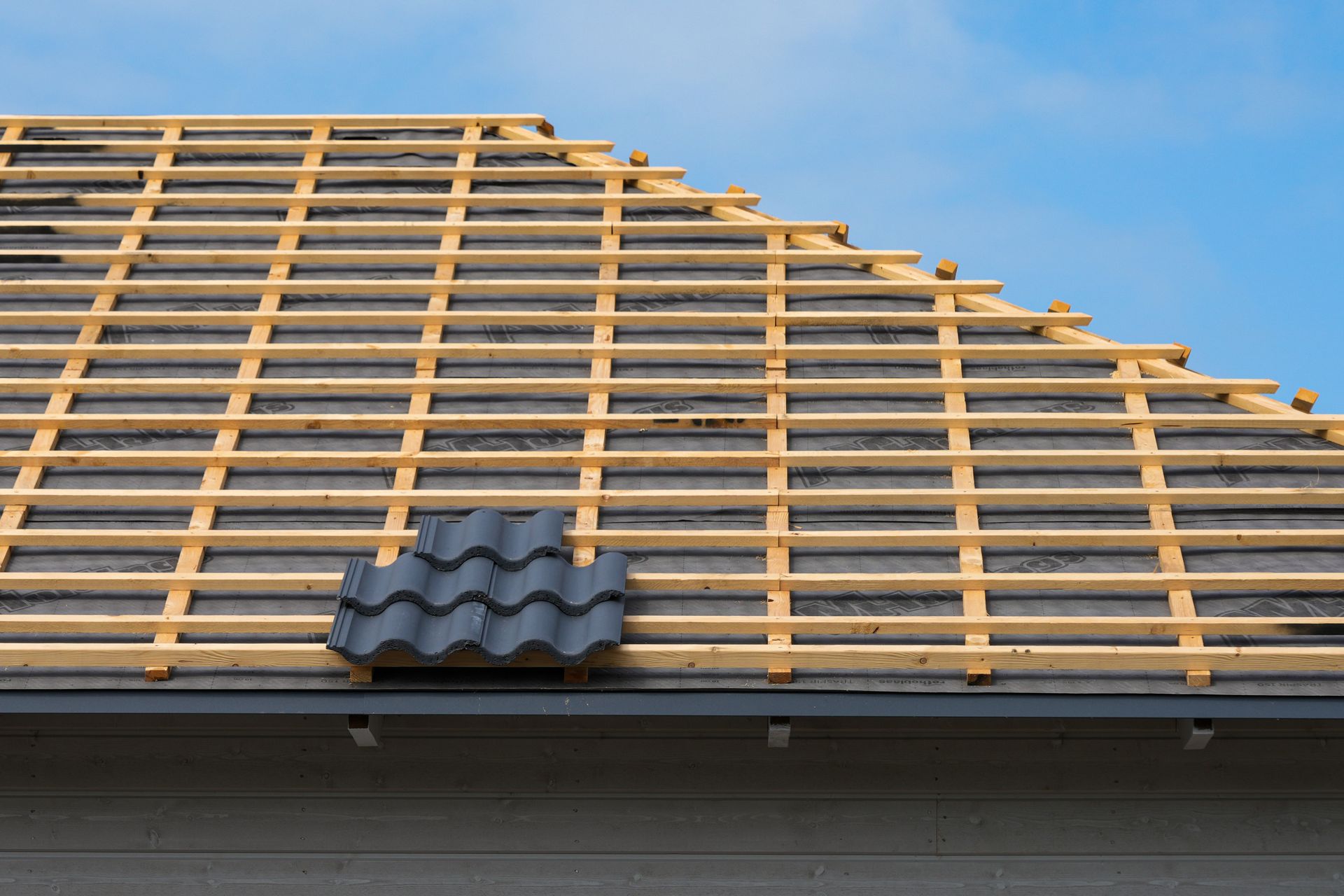
- Clay tile and concrete tile — naturally Class A rated on their own, no special underlayment required for the rating itself. The dominant roofing material across Northridge, Sylmar, and Stevenson Ranch.
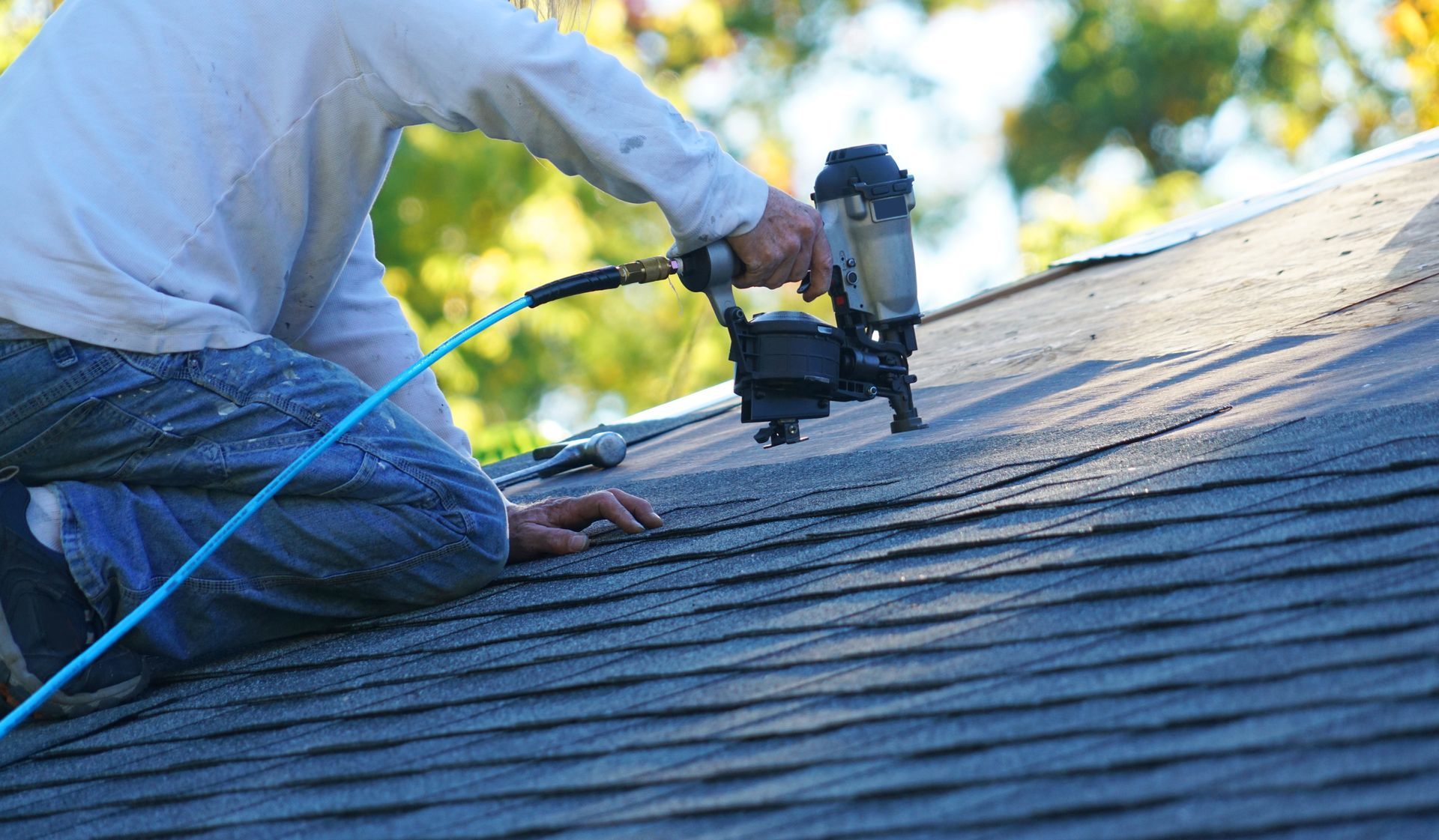
- Fiberglass-mat asphalt shingles — Class A rated when paired with an approved fire-rated underlayment system. A standard economy shingle without this pairing does not meet Class A on its own.
- Metal roofing systems — Class A rated, though less common on residential homes in this market compared to tile and shingle.
- Certain treated wood shake products — can achieve a Class A rating through fire-retardant treatment, though this is uncommon in new installations given the availability of tile and shingle alternatives.
When Does the Law Actually Require It?
This is where most homeowner confusion comes from. California Building Code requires Class A materials specifically for properties located within a Very High Fire Hazard Severity Zone — and only when a roof replacement covers more than 50 percent of the total roof surface area. If your project is a smaller, targeted repair below that 50 percent threshold, you are generally not required to upgrade the entire roof to Class A, even if your property sits in a designated zone.
This creates a practical decision point: if you're planning a partial repair that happens to fall just under the 50 percent line, some homeowners choose to upgrade to Class A anyway for consistency, easier future insurance conversations, and to avoid a mixed-rating roof. Others stick with a matching, code-compliant repair to control cost. A licensed contractor can calculate your project's percentage and walk you through both paths.
Fire Zone Roofing by City — What Applies Where
Fire hazard severity zones don't follow city boundaries — they follow terrain, vegetation, and proximity to wildland areas. Here's how it plays out across the areas we serve:
- Northridge — hillside and foothill sections near the western Valley carry Very High Fire Hazard designations. See our Northridge roofing contractor page for local material guidance.
- Sylmar — several neighborhoods border open wildland space to the north and east. See our Sylmar roofing contractor page for fire zone details specific to this area.
- Stevenson Ranch — a Very High Fire Hazard Severity Zone runs along the community's edge near the Santa Susana Mountains. See our Stevenson Ranch roofing contractor page for HOA-approved Class A materials.
- Santa Clarita — hillside communities above Valencia and eastern Canyon Country fall within designated high-fire zones. See our Santa Clarita roofing contractor page for local climate and fire zone context.
- Los Angeles — large portions of the hillside and foothill areas across the city carry Very High Fire Hazard designations. See our Los Angeles roofing contractor page for permits and material details.
Does Class A Roofing Affect Insurance?
Increasingly, yes. Following recent California wildfire seasons, several major insurers have tightened underwriting standards for homes in fire hazard zones, and some now require Class A roofing as a condition of issuing or renewing a policy. Even where not strictly required, a documented Class A roof can support more favorable rates or help avoid a non-renewal notice. If you're unsure of your policy's current requirements, ask your insurer directly — and keep documentation of your roofing material and installation on file.
Getting a Fire Zone Assessment for Your Property
Everlast Roofing & Co Inc. confirms your property's fire zone classification during every free estimate and factors it directly into material recommendations. Whether you're planning a full replacement or a targeted repair, we'll tell you clearly whether Class A applies to your project and walk you through the material options that meet it. Call
(818) 832-8813 Monday through Friday, 9:30 a.m. to 5:00 p.m. to schedule your free inspection.
Frequently Asked Questions
What roofing materials qualify as Class A fire-rated?
Class A materials include clay tiles, concrete tiles, and fiberglass-mat asphalt shingles rated for Class A assembly performance. Clay and concrete tiles are naturally Class A rated on their own. Asphalt shingles require a Class A-rated fiberglass mat and, in some cases, a fire-rated underlayment system to achieve the full assembly rating — a standard product-only shingle is not automatically Class A without the correct underlayment. Metal roofing and certain treated wood products can also achieve Class A ratings, though these are less common on residential homes across the Valley.
When does my roof replacement legally require Class A materials?
Under California Building Code, if your property is within a Very High Fire Hazard Severity Zone and your roof replacement covers more than 50 percent of the total roof area, the entire new assembly must meet Class A fire rating. Smaller repairs below that 50 percent threshold are generally not required to upgrade to Class A, though many homeowners choose to for consistency and insurance purposes. A licensed contractor can confirm your property's exact fire zone designation and calculate whether your specific project crosses the 50 percent threshold.
Does Class A roofing affect my homeowners’ insurance in California?
Increasingly, yes. Following recent California wildfire seasons, several major insurers have tightened underwriting requirements for homes in fire hazard zones, and some now require Class A roofing as a condition of issuing or renewing a policy. Even where not strictly required, a documented Class A roof can support more favorable rates or prevent a non-renewal notice. If you are unsure of your policy's current requirements, ask your insurer directly and keep documentation of your roofing material and installation from your contractor.