Emergency Roof Repair After Santa Ana Winds in Santa Clarita, CA
Santa Ana winds are a predictable part of life in the Santa Clarita Valley — sustained gusts of 35 to 50 mph funnel through the mountain passes north and east of the valley from October through March, and they are one of the most common causes of sudden roof damage in this area. When a wind event leaves your roof damaged, knowing what actually qualifies as an emergency — and what to do in the hours immediately after — can make a meaningful difference in preventing a small problem from becoming an expensive one.
What Counts as an Emergency vs. a Priority Repair
Not every sign of wind damage requires an immediate, same-day response — but some situations genuinely can't wait. Here's how to tell the difference.
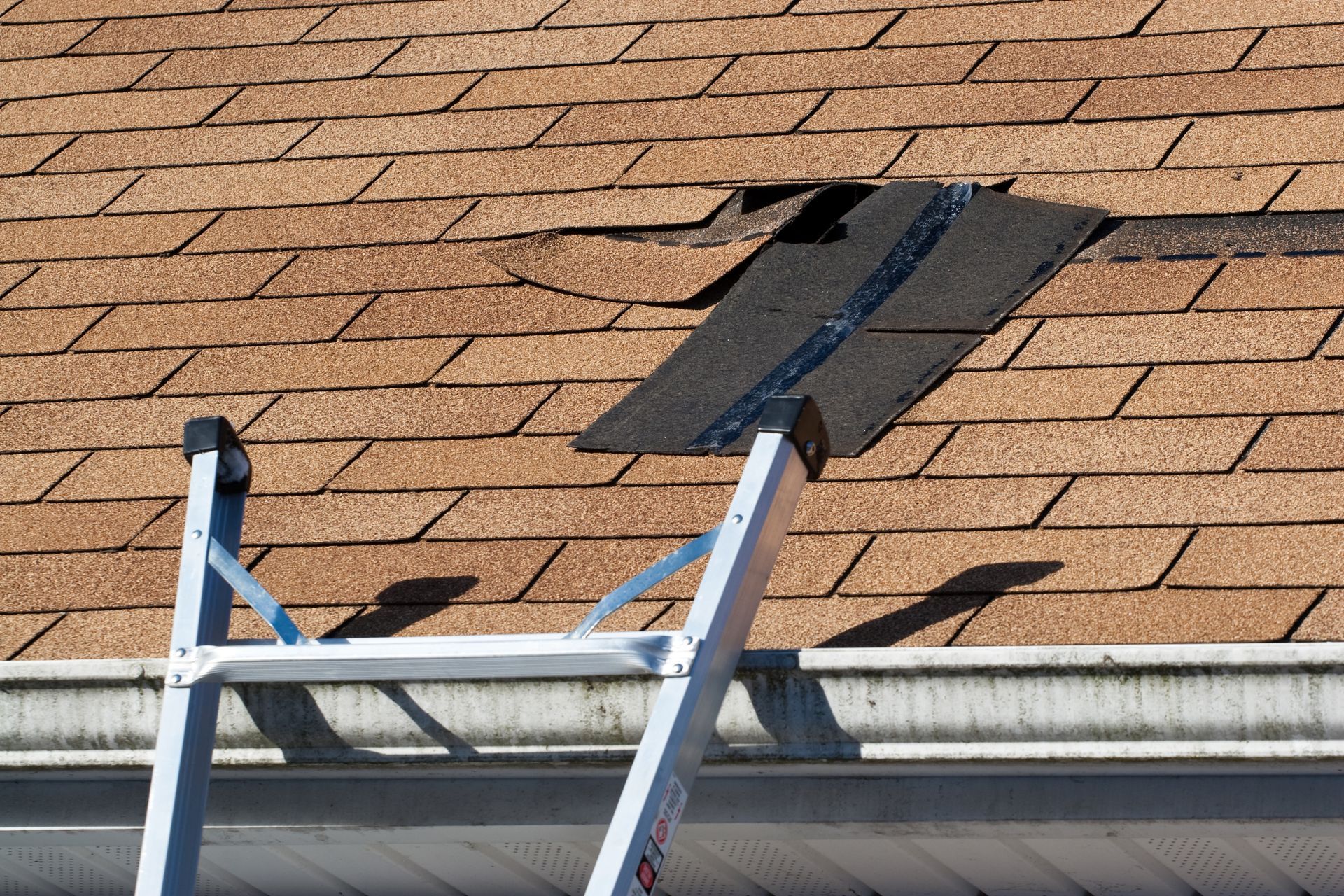
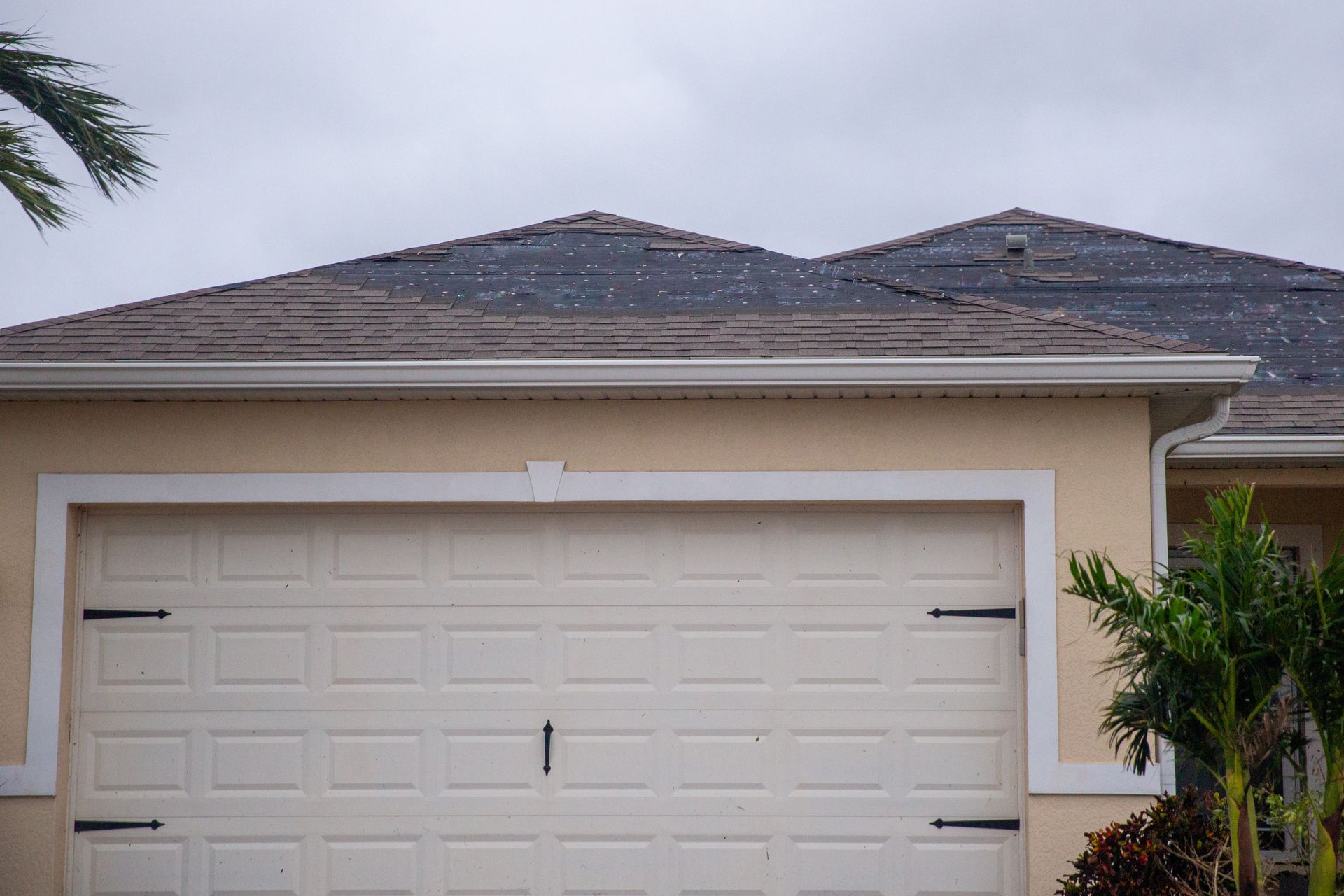
- True emergency: active water intrusion into your home, a section of roofing material completely missing with the deck exposed, or visible structural damage from a fallen branch or debris impact. Any of these warrants an immediate call.
- Priority repair, not necessarily an emergency: a handful of missing or displaced shingles or tiles with no visible interior leak. This should be addressed quickly — ideally within a day or two — but doesn't typically require an after-hours emergency response.
- Monitor and schedule an inspection: minor granule loss, a single loose tile, or debris accumulation on the roof surface with no other symptoms. Worth a professional look soon, but rarely urgent on its own.
Do Not Inspect Wind Damage From the Roof Yourself
After a wind event, the instinct to climb up and check the damage yourself is understandable — but it's also one of the most common ways homeowners make roof damage worse. Walking on a tile roof without proper technique and equipment cracks tiles that would otherwise have been salvageable. Walking on a wind-loosened shingle roof can dislodge additional shingles that were still holding. Beyond the risk to the roof itself, wind-damaged roofing surfaces are unstable footing, and falls from residential roofs are a leading cause of serious injury in this line of work — even for people who do it professionally with the right gear.
Instead, do a visual check from the ground — binoculars help — and check your attic for any sign of light coming through, moisture, or staining. Photograph anything visible from the ground before a contractor arrives. That's the extent of the safe self-assessment.
Documenting Damage for Insurance
Wind damage is a standard covered peril under most California homeowners’ policies, subject to your deductible. If you plan to file a claim, the order of operations matters:
- Photograph all visible exterior damage from the ground immediately after the event, before any repairs or cleanup begins.
- Contact your insurer promptly to report the claim and request an adjuster visit.
- If emergency temporary repairs are needed to stop active water intrusion before the adjuster can visit, document that work thoroughly — most policies allow reasonable emergency mitigation but keep records and receipts.
- A licensed roofing contractor can provide a written damage assessment that supports your claim, but this typically supplements rather than replaces the insurer’s own inspection process.
What Happens During an Emergency Response
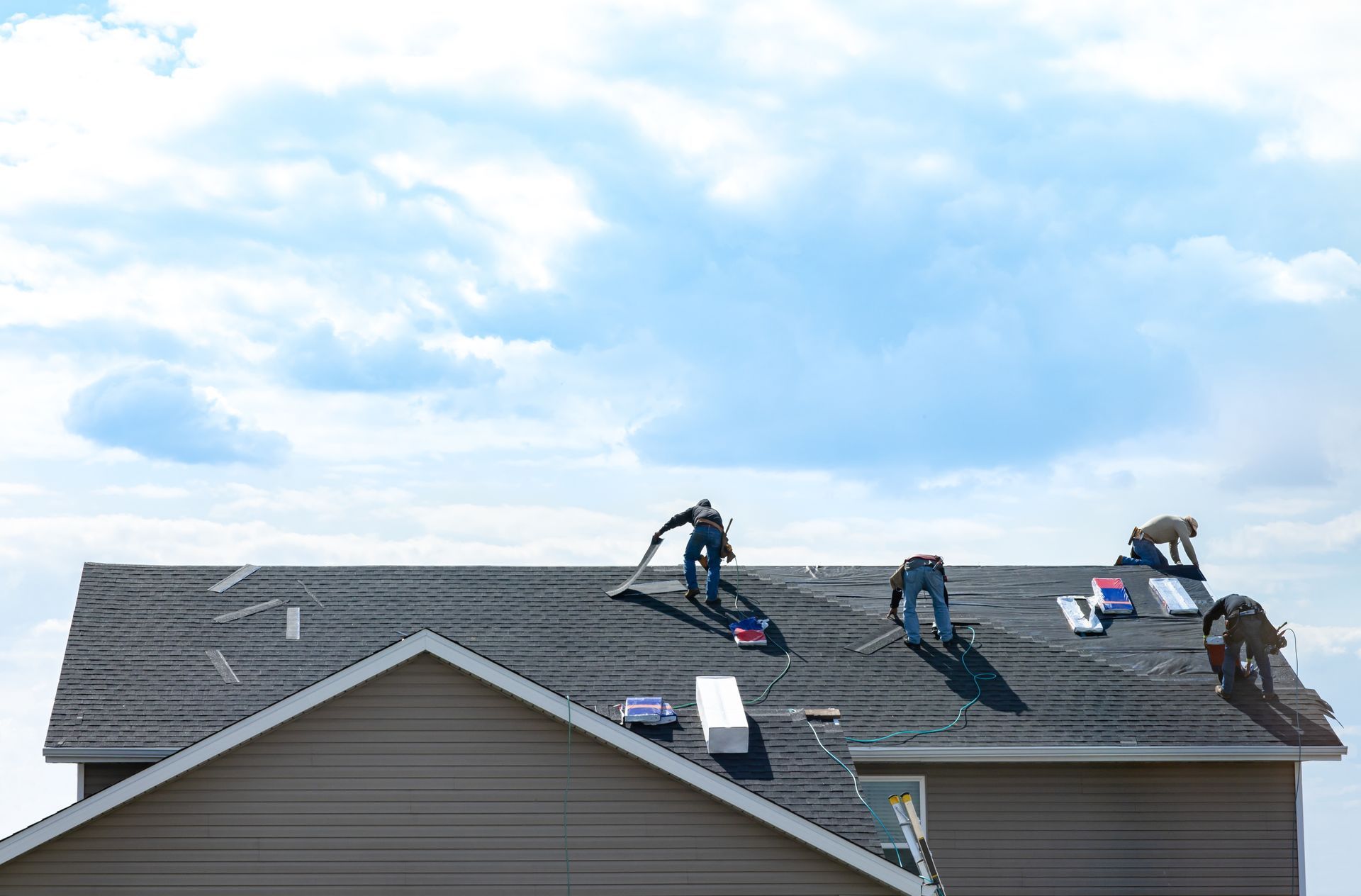
When Everlast Roofing & Co Inc. responds to a wind-damage emergency call in Santa Clarita, the first priority is stopping active water intrusion — temporary weatherproofing to protect your home's interior while a permanent repair is scheduled. We assess the full scope of damage, not just the immediately visible area, since wind events often cause secondary damage to flashing and underlayment that isn't obvious from a quick look. As a
roofing contractor in Santa Clarita, we provide the documentation you need for an insurance claim alongside the repair itself. Call
(818) 832-8813 directly for urgent situations — we respond promptly to roofing emergencies across the Santa Clarita Valley.
What roof damage counts as an emergency after Santa Ana winds?
An emergency is any damage causing active water intrusion into your home, missing sections of roofing material that leave the deck exposed, or a large tree limb or debris impact that has visibly compromised the roof structure. Missing shingles or slightly displaced tiles with no visible interior leak are a priority repair but not necessarily an emergency requiring same-day response. If water is actively entering your home, that always qualifies as an emergency regardless of how minor the exterior damage appears.
Should I go on my roof to inspect wind damage myself?
No. Walking on a tile or shingle roof without proper training and equipment risks both personal injury and additional roof damage — tiles crack easily underfoot and shingles can be dislodged further by improper foot placement. Instead, do a visual check from the ground using binoculars if needed, check your attic for signs of light or moisture intrusion, and call a licensed roofing contractor for a professional assessment. Photograph any visible damage from the ground for your records before a contractor arrives.
Will my homeowners’ insurance cover Santa Ana wind damage to my roof?
In most cases, yes — wind damage is a standard covered peril under a typical California homeowners’ policy, subject to your deductible. Document the damage with photos immediately after the event and before any repairs begin, contact your insurer to report the claim, and request an adjuster visit. A licensed roofing contractor can provide a written damage assessment that supports your claim, but the insurer’s own documentation process should happen first when possible.
Frequently Asked Questions