How to Spot Storm Damage on a Tile Roof Before It Becomes a Leak
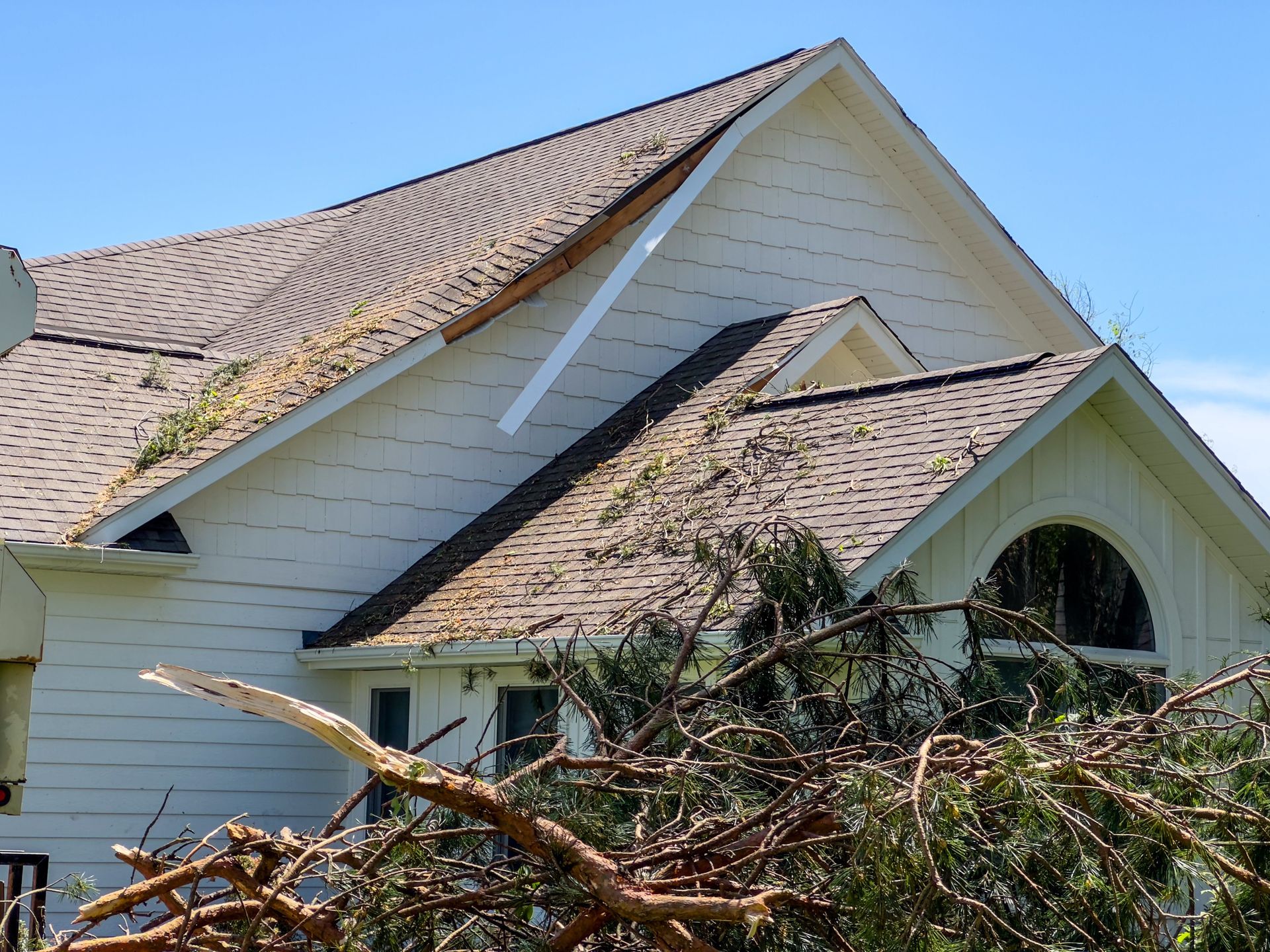
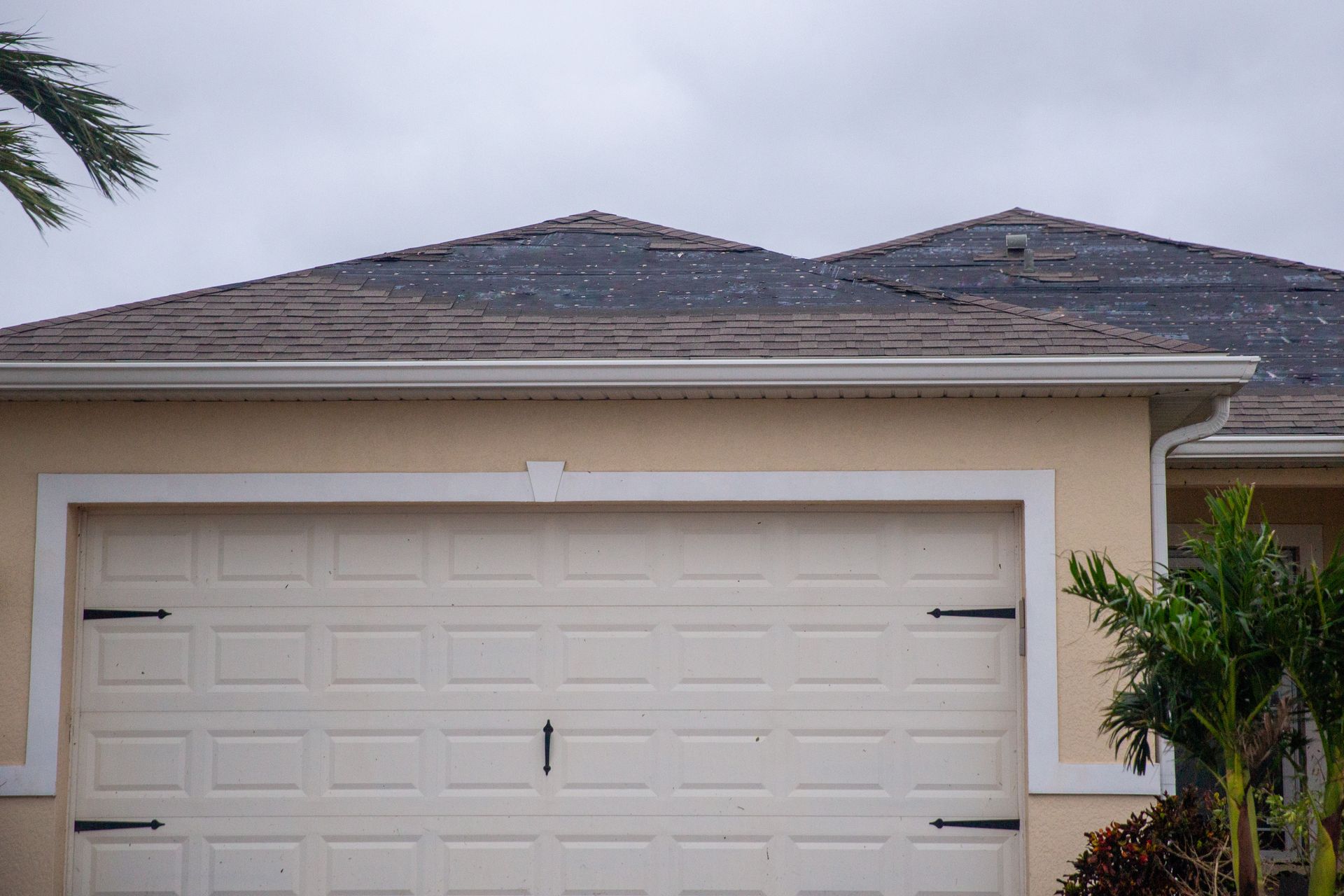
After a Santa Ana wind event, most Stevenson Ranch homeowners do the same thing: step outside, look up at the roofline, and if nothing looks obviously wrong, move on with their day. The problem is that tile roof damage after a storm is often subtle in exactly the ways a quick glance from the driveway cannot catch. This guide walks through what to actually look for, from the ground and from inside the attic, before a hidden issue becomes an active leak.
Why Tile Damage Is Easy to Miss
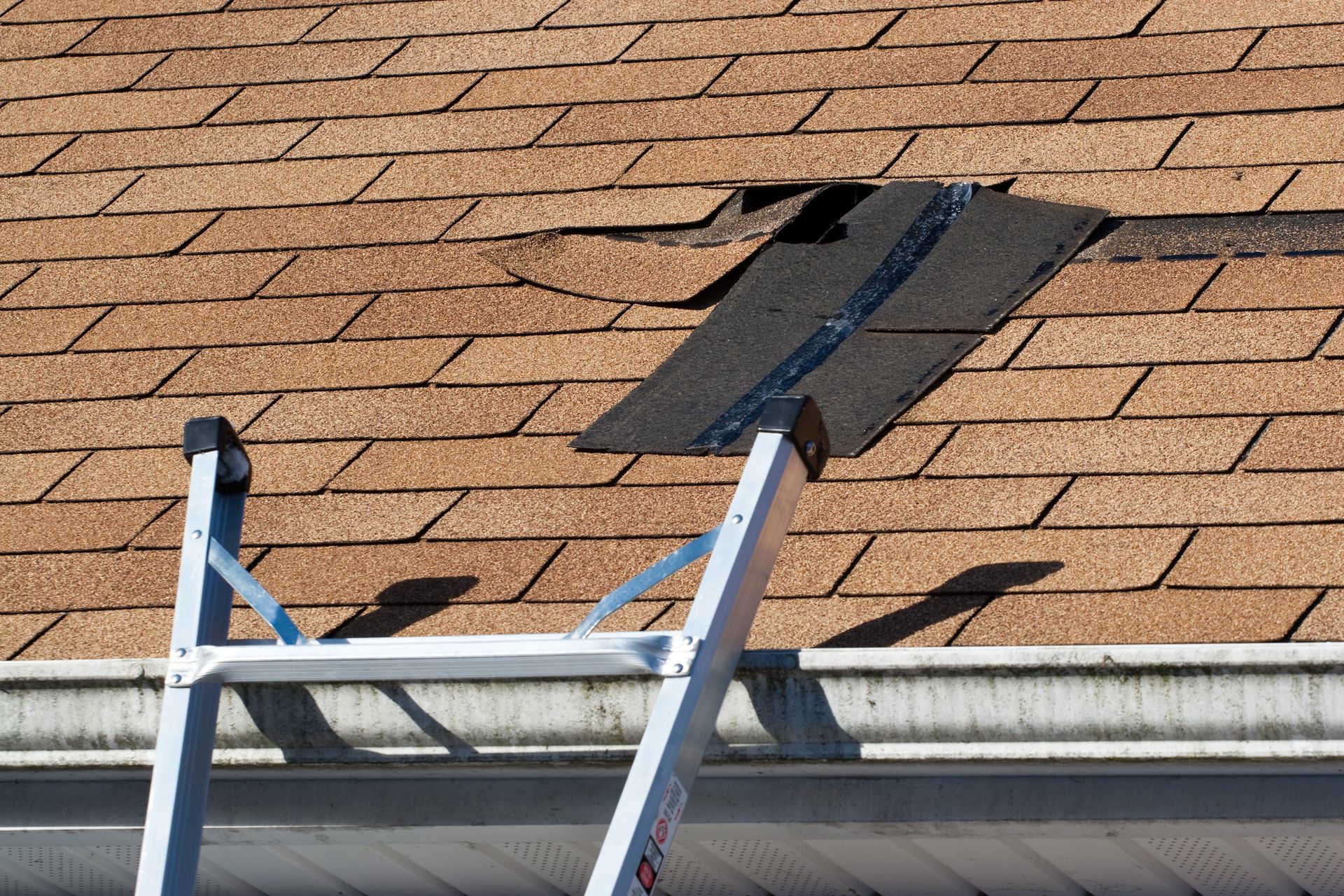
Tile roofing fails differently than shingle roofing after a wind event. A shingle that has been damaged is usually visibly torn, curled, or missing. A tile, by contrast, can be lifted just a fraction of an inch out of place, or shifted sideways against its neighbor, without cracking or falling off at all. That small movement is enough to break the overlapping seal that keeps water out — but from fifteen or twenty feet below, on the ground, it can be nearly invisible. This is the single biggest reason tile roof storm damage in Stevenson Ranch goes unnoticed until a rainstorm finds the gap.
What to Look For From the Ground
- Shadow lines that look different than usual. A lifted or shifted tile often casts a slightly different shadow than its neighbors, especially visible in low morning or evening light along the roofline.
- Gaps or uneven spacing between tiles in a row that used to look uniform. Wind can push a tile just enough to create a visible seam where there wasn't one before.
- Debris caught in specific spots rather than scattered evenly — a buildup of leaves or small branches in one area can indicate a tile has shifted enough to create a catch point.
- Tiles that appear slightly discolored or lighter than the surrounding roof — sometimes a sign the tile has cracked and is showing its lighter interior material, even if the crack itself is hard to see from a distance.
What to Check Inside the Attic
A ground-level check only tells part of the story. After any significant wind event, it's worth a quick look in the attic as well — this is often where the earliest, most reliable signs of storm damage actually show up, well before a visible interior leak develops.
- Pinpoints of daylight visible through the roof deck, especially around penetrations like vent pipes, skylights, or chimney flashing.
- A faint damp or musty smell that wasn't there before, even without visible water.
- New water staining on the underside of the deck or on insulation, even if it is still dry to the touch — staining often appears before an active drip does.
Ridge Caps: A Commonly Overlooked Failure Point
Ridge caps — the capping tiles that run along the peak of the roof — are secured with mortar or adhesive foam, both of which can crack or loosen under sustained wind pressure without the cap tile itself breaking. A ridge cap that has shifted slightly or developed a hairline crack at its mortar joint is one of the more common post-storm findings on Stevenson Ranch tile roofs, and it is almost never visible without someone physically walking the roofline — which is a job for a professional, not a homeowner.
Why You Shouldn't Inspect the Roof Yourself
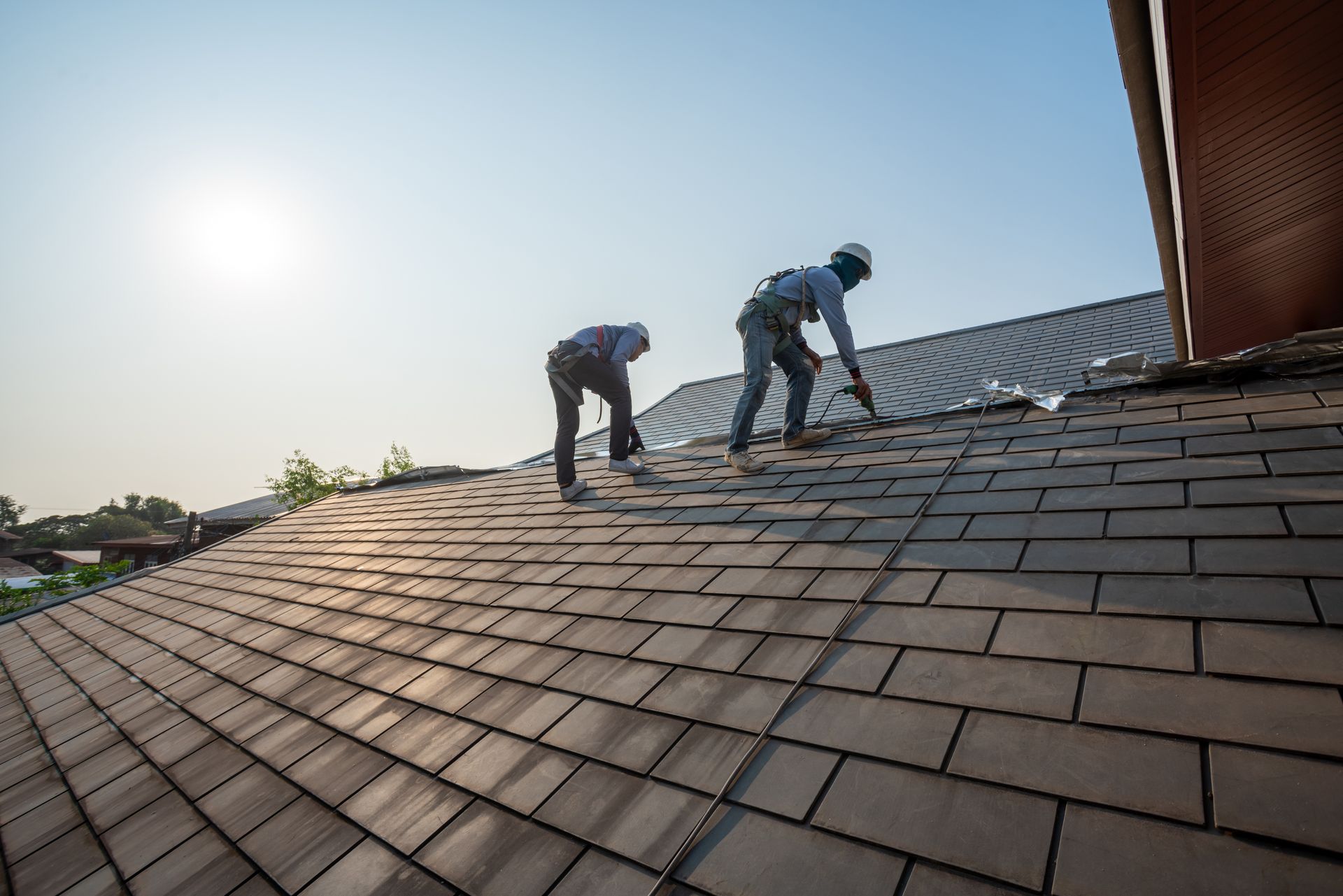
It's worth saying directly: walking on a tile roof without the right technique and footwear is one of the most common ways homeowners accidentally create new damage while looking for existing damage. Tiles that survived the storm intact can crack underfoot from a single misplaced step. A ground-level visual check and an attic check, as described above, are the safe extent of a homeowner's own assessment — anything beyond that is best left to a professional with the right equipment and experience walking tile roofs specifically.
What Happens During a Professional Post-Storm Inspection
Everlast Roofing & Co Inc. is a roofing contractor in Stevenson Ranch with direct experience diagnosing tile roof storm damage across this community. Our inspection covers the full roof surface — not just the areas that look suspicious from the ground — including ridge caps, flashing, and underlayment condition at any point where a tile has shifted. If you've noticed any of the signs above or simply want peace of mind after a significant wind event, call (818) 832-8813 Monday through Friday, 9:30 a.m. to 5:00 p.m. to schedule your free inspection.
Frequently Asked Questions
How soon after a Santa Ana wind event should I check my tile roof?
Ideally within a day or two of the event, once winds have fully died down. A visual check from the ground is safe to do immediately; a hands-on professional inspection is best scheduled within the following week, since some tile damage is not visible from street level and can worsen if rain follows before it is addressed.
Can a tile roof have storm damage with no visible cracks?
Yes. Tiles can be lifted, shifted, or have their underlayment compromised by wind-driven debris without a single tile cracking. This is one of the most common ways storm damage goes unnoticed on tile roofs — the surface can look entirely intact from the ground while individual tiles have moved just enough to break the water seal beneath them.
Should I walk on my roof after a storm to check for damage myself?
No. Walking on tile without proper technique and footwear commonly cracks tiles that survived the storm intact, creating new damage rather than finding existing damage. A ground-level visual check plus an attic check for moisture or light intrusion is the safe extent of self-assessment; a professional inspection should follow for anything beyond that.