How Northridge's 1994 Earthquake-Era Homes Are Aging: What Roof Owners Should Know
The 1994 Northridge earthquake reshaped this community in a way that still shows up in roofing calls today, more than three decades later. The scale of rebuilding and repair that followed the quake means a disproportionate share of Northridge's housing stock — and the roofs on top of it — were installed or restored within a fairly narrow window in the mid-1990s. That timing matters now: a lot of Northridge roofs are reaching the same age at roughly the same time, which is exactly the pattern that tends to produce a wave of repair and replacement needs.
Why So Much of Northridge's Roofing Dates to the Mid-1990s
The January 1994 earthquake caused significant structural damage across the San Fernando Valley, and Northridge — at the epicenter — saw some of the most extensive residential rebuilding in the region. Many homes required full or partial roof replacement as part of post-quake repair, whether from direct structural damage, chimney collapse affecting adjacent roofing, or insurance-driven full re-roofs completed alongside other repairs. The result is a meaningful concentration of Northridge roofs that share a common installation era: roughly 1994 through the late 1990s.
Why the Timing Matters Today
Composition shingle roofing — the most common material installed during that rebuilding period — typically carries a rated service life of 20 to 30 years. Roofs installed in 1994 or 1995 are now between 30 and 32 years old, meaning a substantial portion of Northridge's post-quake roofing has already reached or exceeded its expected lifespan. Unlike a roof that ages gradually and predictably on an individual basis, this creates something closer to a wave — a large number of similarly-aged roofs across the same neighborhoods reaching end-of-life within a relatively compressed timeframe.
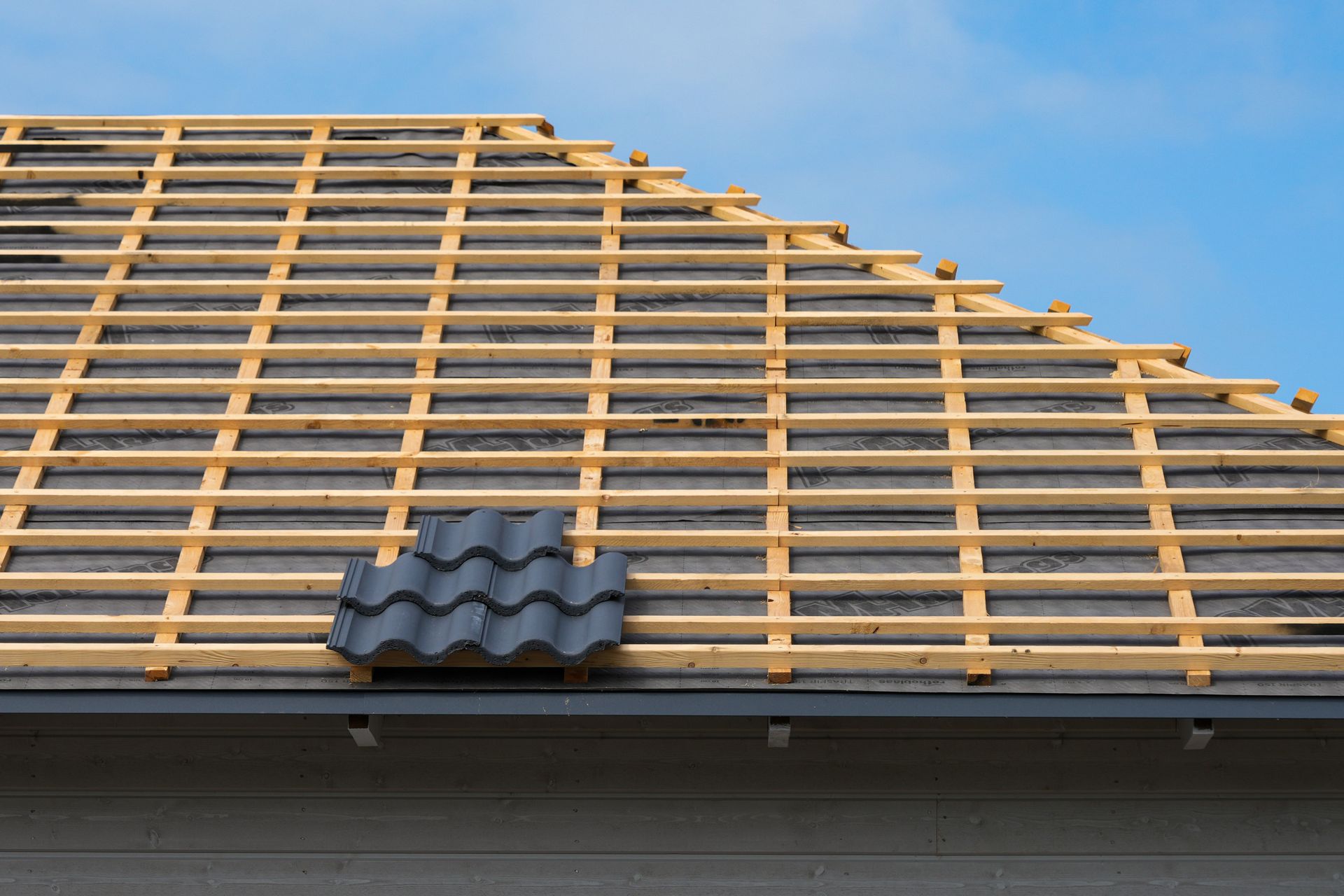
Tile roofs from the same era generally have more life left, since clay and concrete tile are commonly rated for 50 years or more. But the underlayment beneath tile roofs installed in the mid-1990s is a different story — most underlayment systems have a practical lifespan closer to 20 to 30 years regardless of what's happening with the tile above it, which means many Northridge tile roofs from this period are due for an underlayment inspection even if the tile itself still looks fine.
A Consideration Specific to Post-Quake Repairs
One factor worth flagging directly: the sheer volume of repair work needed across the Valley in 1994 and 1995 meant some roofing work was completed under time pressure, driven by insurance claim deadlines and contractor availability that varied widely during that period. This isn't true of every post-quake roof, but if your home has a documented earthquake repair history, it's a reasonable prompt to have the roof inspected by someone who can assess the actual condition of the deck and underlayment rather than relying on assumptions about original workmanship.
What to Look For on an Aging Northridge Roof
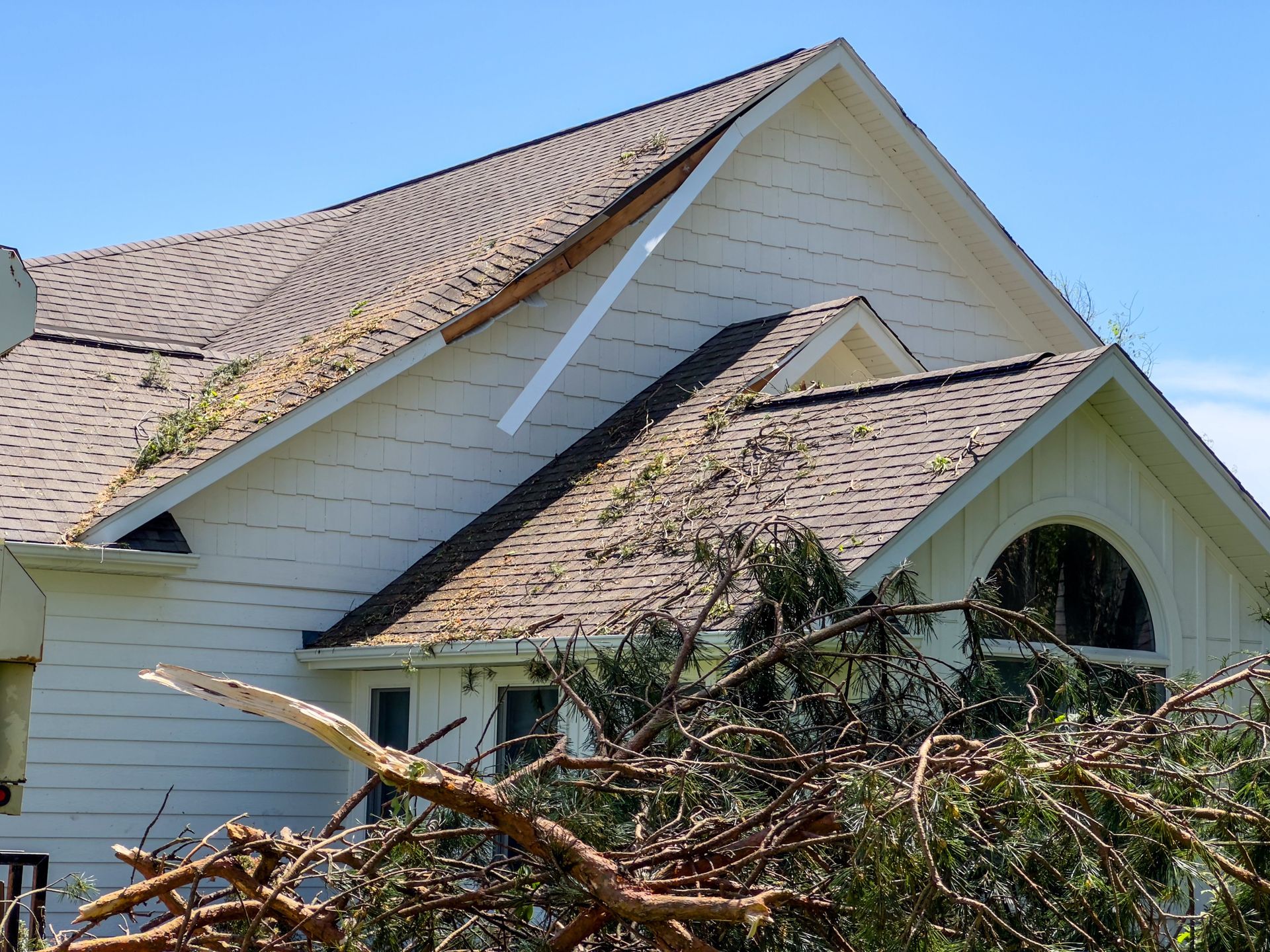
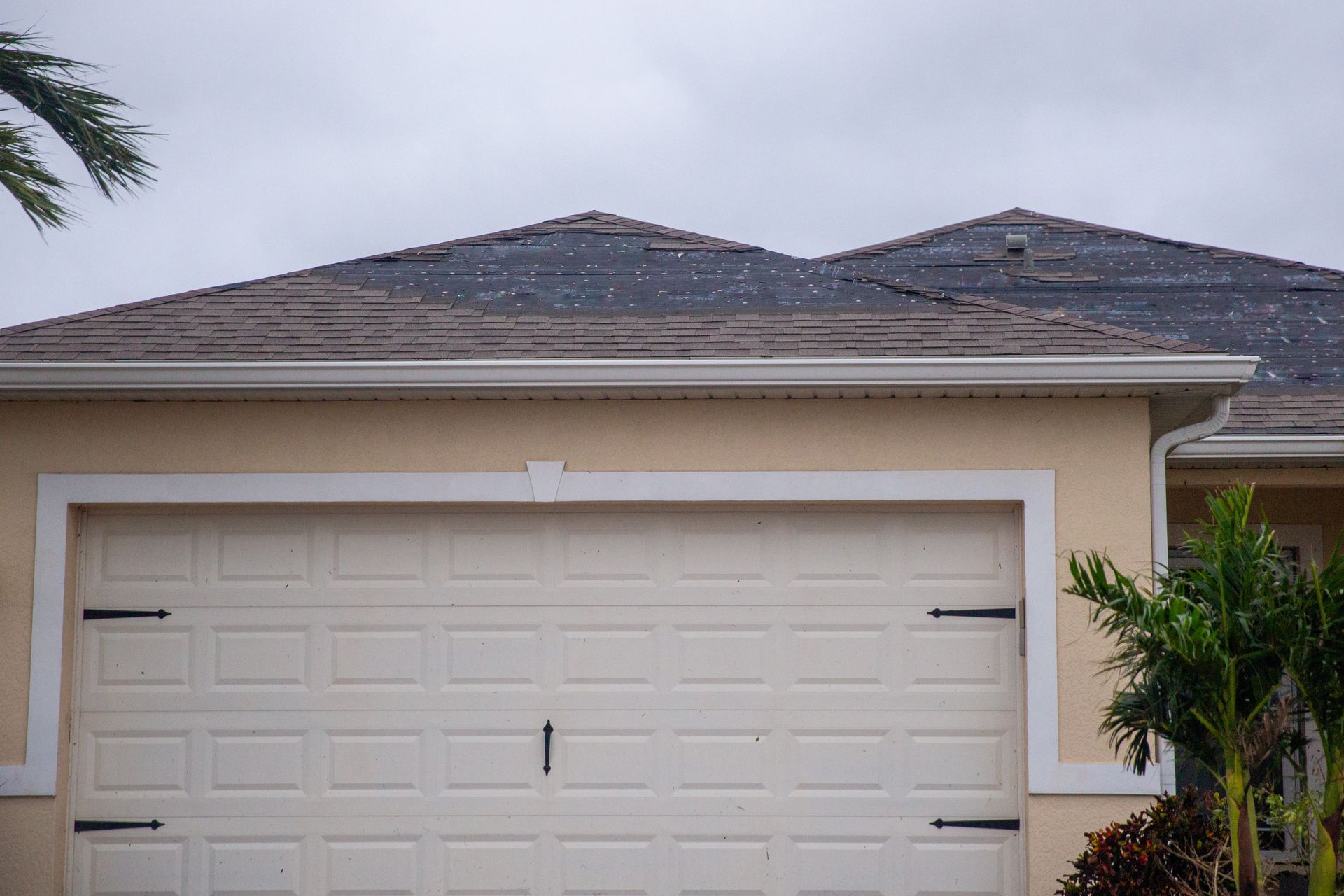
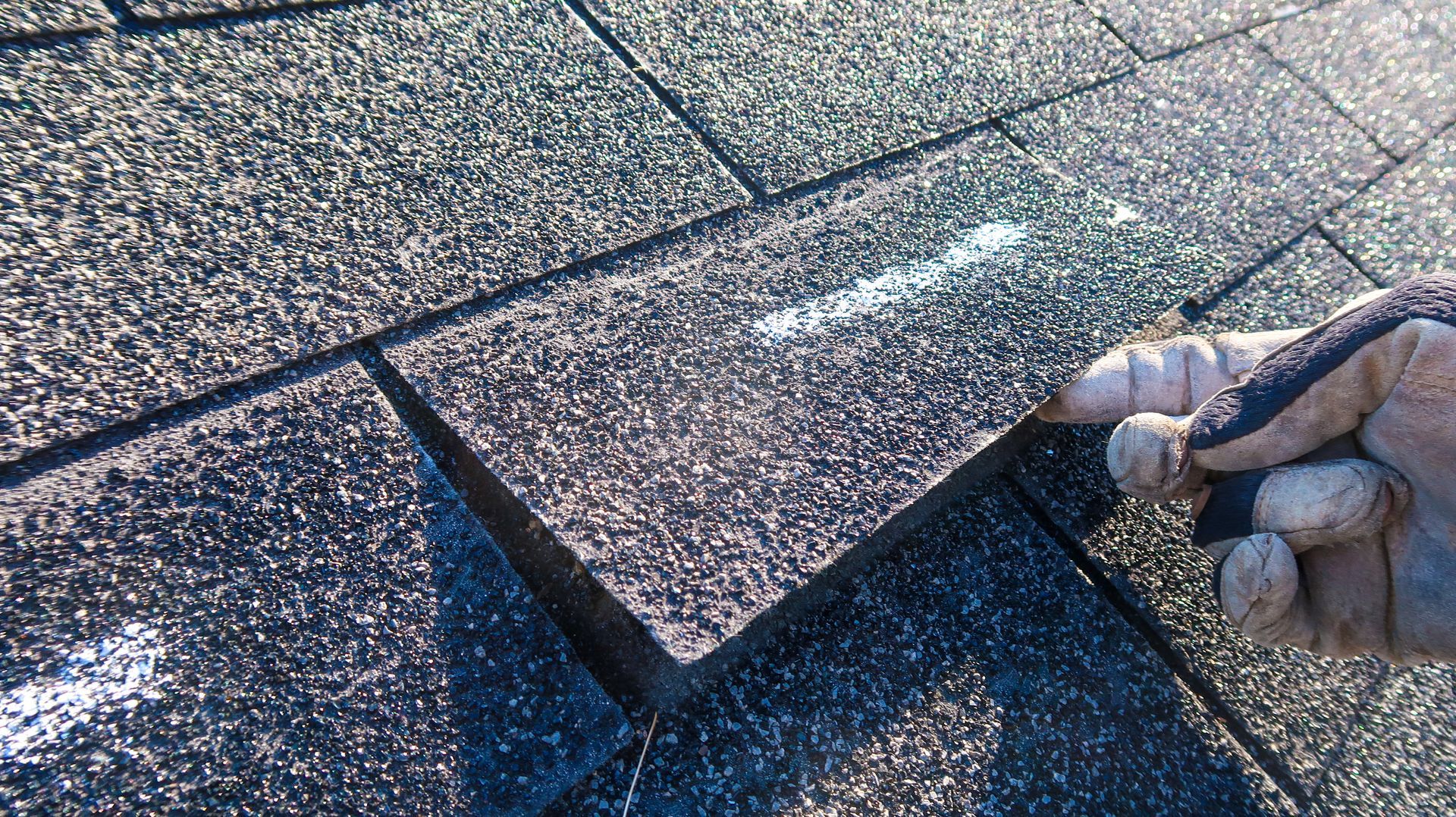
- Granule loss or bald patches on shingle roofs — a sign the protective surface layer has worn away and UV degradation is accelerating.
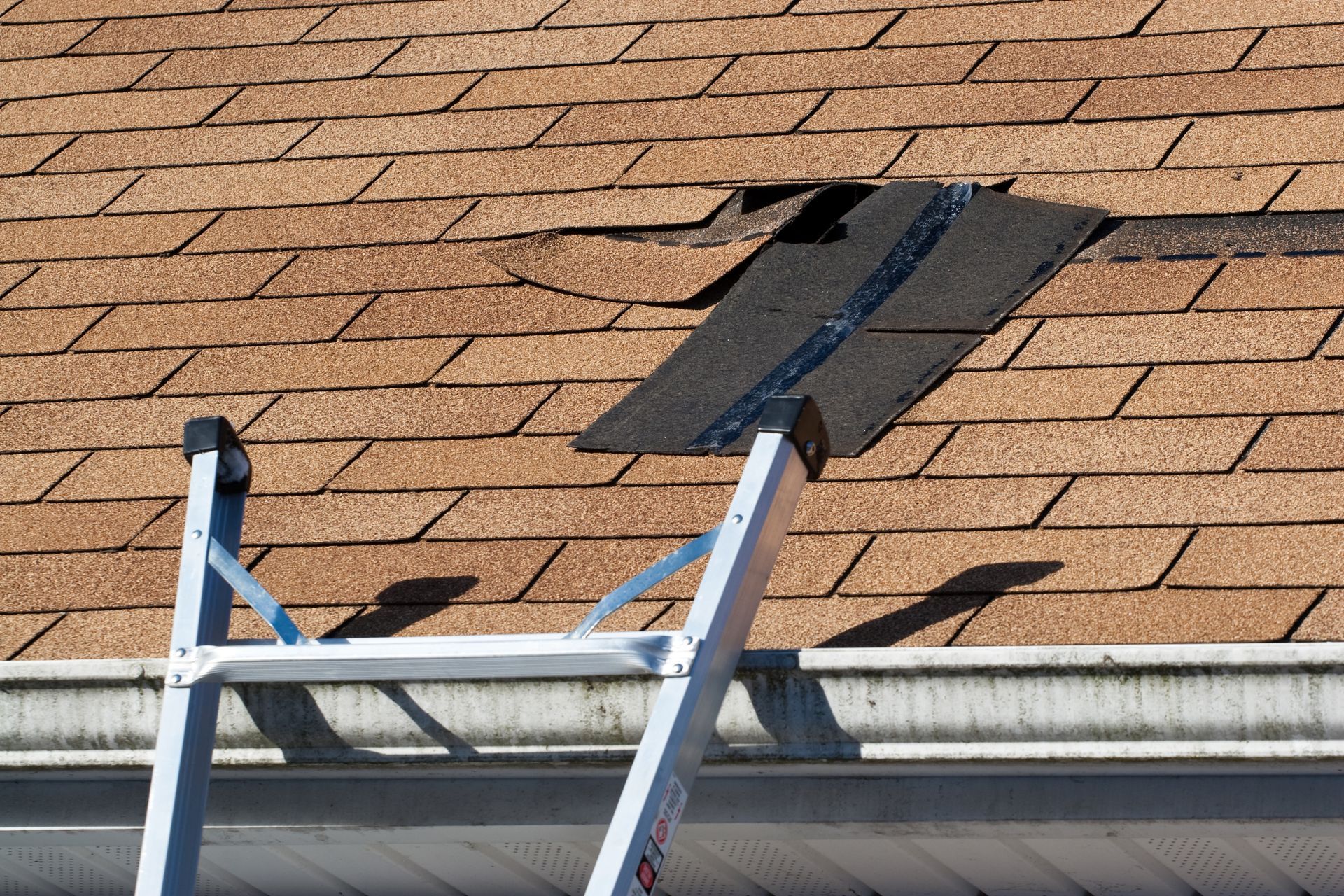
- Curling, cracking, or lifted edges on individual shingles, particularly on south- and west-facing slopes that receive the most direct sun exposure.
- Cracked, slipped, or loose tiles, or tiles that sound hollow when walked on — a possible sign of underlayment deterioration beneath an otherwise intact tile surface.
- Visible sagging or dips along the roofline when viewed from the street — often an indicator of deck-level moisture damage that has been developing for some time.
- Interior water stains on ceilings or in the attic that appear during or shortly after rain, even if the exterior roof surface shows no obvious damage.
Getting an Age-Appropriate Assessment
If your Northridge home dates to the mid-1990s rebuilding period, a professional inspection will tell you exactly where your roof stands relative to its expected lifespan — not a guess based on age alone. Everlast Roofing & Co Inc. is a
roofing contractor in Northridge with direct experience assessing this specific generation of local housing stock. We'll give you an honest picture of whether repair or replacement makes more sense for your roof's actual condition. Call
(818) 832-8813 Monday through Friday, 9:30 a.m. to 5:00 p.m. to schedule your free inspection.
Frequently Asked Questions
How old is a typical Northridge roof built after the 1994 earthquake?
Homes rebuilt or repaired following the 1994 Northridge earthquake are now roughly 30 to 32 years old as of 2026. Most residential roofing systems installed in that rebuilding period — composition shingle in particular — carry a rated lifespan of 20 to 30 years, meaning a significant share of Northridge's post-quake housing stock is now at or past the point where full replacement, not just repair, becomes the more cost-effective option.
Did earthquake-related repairs affect roof quality in Northridge?
In many cases, yes, though not always in obvious ways. The volume of repair work needed across the San Fernando Valley in 1994 and 1995 meant some roofing work was completed quickly under insurance-driven timelines, and material and labor quality varied by contractor. Homes with a documented earthquake repair history are worth a closer inspection, since original workmanship from that period is not always visible without a hands-on assessment of the deck and underlayment.
What should I look for on an aging Northridge roof?
Look for granule loss or bald patches on shingle roofs, curling or lifted shingle edges, cracked or slipped tiles, visible sagging along the roofline, and interior water stains that appear during rain. If your home was built or re-roofed in the mid-1990s and you have not had a professional inspection in the past few years, scheduling one is a reasonable precaution given the age most Northridge roofs from that era have now reached.